
Magnesium (Mg) is an essential mineral for maintaining your body's health and is involved in over 300 bodily processes. From supporting blood pressure regulation to strengthening bone health and energy production, your body simply cannot function without it. Unfortunately, most adults do not get enough magnesium from their diet, with deficiency issues contributing to fatigue, muscle cramps, and a loss of appetite.
To reduce the risk of magnesium deficiency, many choose to take supplements – but with so many options available, it can be difficult to choose the right one for your needs.
In this guide, we’ll walk you through the different types of magnesium supplements to consider, including when and who they are best for. We will also suggest the top picks that we have in stock at Meaghers Pharmacy.
Click on the links below to jump to that section:
- Why Should You Take Magnesium Supplements?
- Key Types of Magnesium Supplements
- Choosing Magnesium Citrate: Benefits & Top Picks
- Comparing Magnesium Glycinate vs Magnesium Oxide
- Other Speciality Magnesium Forms to Consider
- Comparing the Types of Magnesium Supplements: Which Should You Choose?
- Should You Combine Types of Magnesium Supplements?
- Frequently Asked Questions
Discover the importance of magnesium in the body.
Compare organic vs inorganic magnesium salts.
Learn the benefits of magnesium citrate supplements.
Discover which is right for you.
Browse speciality magnesium compounds, such as malate, taurate, and orotate.
Use our comparison table to determine which type of magnesium supplement is right for you.
Discover which magnesium combinations work the best together.
Read common queries on taking magnesium.
Why Should You Take Magnesium Supplements?
A powerhouse mineral critical to the healthy function of your nervous system, magnesium connects your brain and body. If you've ever experienced muscle cramps, magnesium is vital for strengthening muscle function, including contraction and relaxation.
Beyond that, magnesium is a cornerstone of your body's energy production. It helps convert the food you eat into fuel, which is crucial for maintaining your daily energy levels. Without enough of this mineral, you might feel tired and sluggish.
Common Signs of Magnesium Deficiency:
Recognising these may be tricky as they often overlap with other conditions. This includes:
- Muscle twitching and cramps
- Insomnia or poor sleep quality
- High blood pressure
- Fatigue and weakness

Benefits of Magnesium Supplements:
Combat deficiency issues by adding more magnesium to your diet, whether this is through food sources (such as vegetables, whole grains, legumes, and even dark chocolate), or through supplements.
Benefits of taking magnesium supplements may include:
- Supports over 300 biological processes
- Helps maintain normal muscle and nerve function
- Plays a key role in energy production
- Helps the body relax and prepare for sleep
- May reduce stress and anxiety
- For women, it may ease PMS symptoms, such as bloating, cramps, and mood changes
- For athletes, it may help with the recovery period
While magnesium supplements are generally safe, some types can cause digestive side effects, especially at high doses.
Key Types of Magnesium Supplements
There are countless forms of magnesium supplements, and new formulations are introduced regularly. Magnesium is a mineral that must be bound to another substance to become stable, which leads to various compounds with unique properties and absorption rates.
Each type of magnesium salt has a different bioavailability, which determines how easily your body can absorb and benefit from it.
Organic vs Inorganic
Organic magnesium salts are generally better absorbed and tend to be gentler on the stomach. This is because they are bound to an organic acid or an amino acid, which enhances their uptake. Examples include:
- Magnesium Citrate (bound to citric acid)
- Magnesium Glycinate (bound to the amino acid glycine)
- Magnesium Malate (bound to malic acid)
On the other hand, inorganic magnesium salts are typically bound to an inorganic element, such as oxygen or chloride. The main example of this is magnesium oxide, which has a higher elemental magnesium content; however, it has a lower absorption rate and is more likely to cause digestive problems.
In this guide, we will look at the seven main types of magnesium supplements you may encounter, which are practical, well-known and widely available:
Choosing Magnesium Citrate: Benefits & Top Picks
Magnesium citrate is one of the most popular and widely available magnesium supplements, and for good reason. This form is created by binding magnesium to citric acid, a compound naturally found in citrus fruits. This combination makes it one of the more bioavailable forms, meaning your body can absorb and utilise it more easily than other types, such as magnesium chloride.
Key Benefits of Magnesium Citrate:
Thanks to their osmotic effect, these supplements draw water into the intestines, helping soften stool and promote regular bowel movements - perfect for all types of digestive problems. With an excellent amount of elemental magnesium, it is an all-around choice for correcting a deficiency.
- Helps with occasional constipation or sluggish digestion
- May ease muscle tension and support electrolyte balance
- Ideal for replenishing low magnesium levels
- Excellent bioavailability without being too harsh
- Helping to regulate blood pressure
To combat any unwanted digestive side effects, start with a low dose to see how your body reacts.
Because of its high absorption, it's effective for raising overall magnesium levels. However, it’s known for its natural laxative effect, which can be a benefit for those dealing with constipation. For others, this can be an unwanted digestive side effect. Starting with a low dose can help you see how your body reacts.
For more information, read our expert guide to choosing the best magnesium citrate supplements here.
Suggested Product: Solgar Magnesium Citrate Tablets

Cost: €17.30 (60 capsules)
Taking two Solgar Magnesium Citrate tablets a day is a great way to increase your magnesium intake and support optimal wellbeing.
Comparing Magnesium Glycinate vs. Magnesium Oxide
When comparing magnesium supplements, magnesium glycinate and magnesium oxide represent two ends of the spectrum in terms of absorption and use. Magnesium glycinate is known for its high bioavailability and gentle stomach effects. In contrast, magnesium oxide combines magnesium with oxygen, and while inexpensive and widely available, it has poor absorption rates.
As magnesium glycinate (bisglycinate) is a chelated form, meaning it is attached to an amino acid, the body easily recognises its properties and absorbs it to raise magnesium levels.
Magnesium oxide, however, has a notoriously low absorption rate, and very little magnesium actually makes it into your bloodstream. Most of it passes through the digestive tract unabsorbed, which is why it often acts as a laxative.
- Magnesium Glycinate: For sleep, anxiety, stress, and raising overall magnesium levels.
- Magnesium Oxide: For constipation, heartburn, and indigestion relief.
For more information, read our expert guide to choosing the best magnesium glycinate supplements here.
Suggested Product: NaturesPlus Magnesium Glycinate Capsules

Cost: €19.95 (90 capsules)
Take three capsules daily, or as recommended by your healthcare professional.
Other Speciality Magnesium Forms and Their Benefits
Beyond the common forms, several speciality types of magnesium target specific health concerns. Let's explore alternative forms of magnesium, their benefits, and when to consider them:
Magnesium Malate
Magnesium malate is a compound made from magnesium and malic acid (a natural substance found in fruits).
Because of its role in energy production, known as the Krebs cycle, this form is often recommended for people experiencing fatigue. It is also reported to be beneficial for reducing muscle soreness and tenderness.
The key benefits of magnesium malate include:
- Supporting cellular energy production
- Alleviating muscle soreness and fatigue
- Being well absorbed with less laxative effect
Magnesium Taurate
Both magnesium and the amino acid taurine are known for their beneficial effects on cardiovascular health, making this combination particularly powerful for supporting your heart. Taurine plays a role in heart function and has calming properties in the brain.
Because both magnesium and taurine have a calming effect on the nervous system, this form may also help with stress and anxiety without causing drowsiness. It's an excellent choice for those looking to support heart health and maintain a sense of calm.
Suggested Product: MAGtrio Pure Magnesium Taurate, Bisglycinate & Threonate Capsules
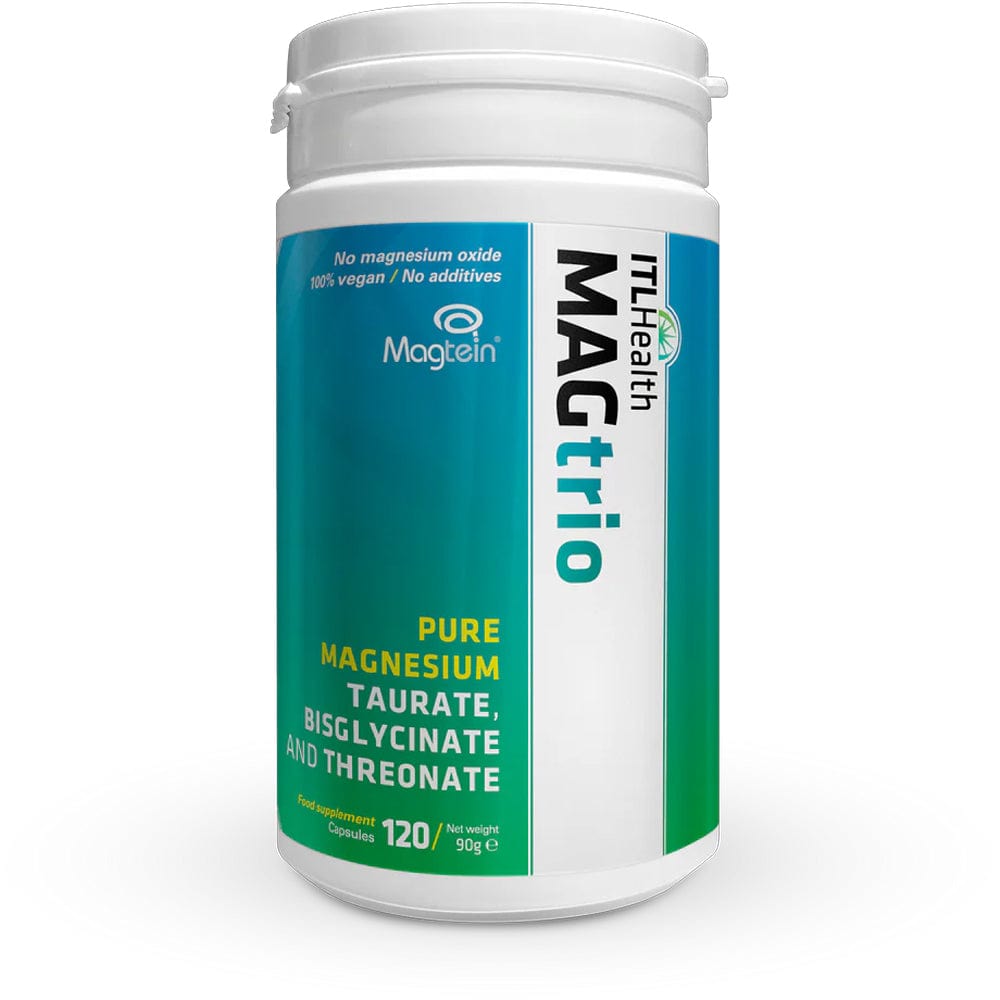
Cost: €34.95 (120 capsules)
Combining taurate, bisglycinate, and L-threonate forms, MAGtrio's Pure Magnesium supplements help support your heart, nervous system and mental performance - take four capsules daily, either at once or separately throughout the day.
Magnesium L-Threonate
Magnesium L-threonate is an exciting form of magnesium that has gained attention for its remarkable benefits for brain health. It is a salt formed from mixing magnesium with threonic acid, a substance derived from the metabolic breakdown of vitamin C.
What makes magnesium L-threonate unique is its ability to cross the blood-brain barrier, which effectively increases magnesium concentrations in brain cells. Because of its targeted action on the brain, it is often used to support memory, learning, and overall cognitive function.
Suggested Product: MAG3N8 Pure Magnesium Threonate
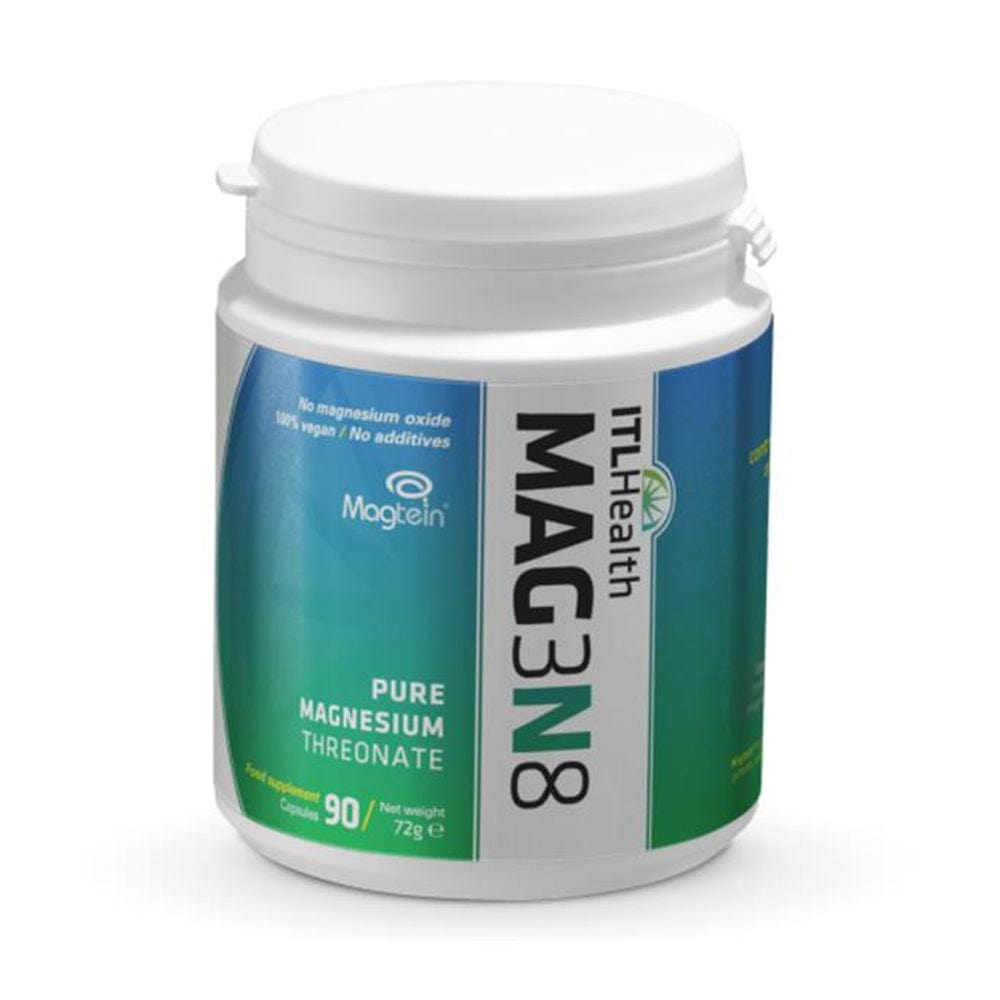
Cost: €43.95 (90 capsules)
A pure, highly absorbable magnesium L-threonate supplement, MAG3N8 is designed to support brain health, memory, focus, and cognitive support - take three capsules daily.
Comparing the Types of Magnesium Supplements
With so many types of magnesium available, choosing the best form can feel like a challenge. The key is to match the supplement's specific benefits to your personal health needs. Factors like absorption, effectiveness for certain conditions, and potential digestive side effects all play a role in finding the right fit for you.
Some forms, like glycinate and citrate, are excellent for raising overall magnesium levels, while others, like oxide, are better for digestive relief. Speciality forms such as L-threonate target brain health, and taurate is geared toward heart health. The table below provides a quick summary to help you compare the different options.
Magnesium Type:
| Citrate |
|---|
|
| Glycinate (or bisglycinate) |
|
| Oxide |
|
| Malate |
|
| L-Threonate |
|
| Taurate |
|
Should You Combine Types of Magnesium Supplements?
In many cases, the best solution may involve combining different magnesium supplements which work simultaneously to help your health goals. Consider which benefits you want to target, and the supplements this includes:
- Glycinate → sleep, stress relaxation
- Malate → energy fatigue, muscle recovery
- L-Threonate → cognitive support
- Taurate → heart and nervous system
- Citrate → digestive and bowel regularity
It's important to consider combining magnesium supplements safely, with popular combinations including glycinate with malate, threonate, and taurate. Combining laxative forms (such as citrate and oxide) may cause digestive issues, and those with kidney concerns should avoid this without speaking to a healthcare professional.
You can combine different magnesium forms, but it's important to monitor your total daily intake. It's best to stay within the recommended daily amount to avoid digestive issues and effectively manage your magnesium levels.
Suggested Product: Revive Active Magnesium Complex

Cost: €24.95 (60 capsules)
A revolutionary dietary supplement that contains five potent ingredients (including bisglycinate, taurate and malate), Revive Active's Magnesium Complex aims to support muscle, bone, and nervous system health - take two capsules daily.
Frequently Asked Questions
Which type of magnesium is best for sleep or relaxation?
For sleep and relaxation, magnesium glycinate is widely considered the best choice. The amino acid glycine has a calming effect on the nervous system, helping to reduce anxiety and promote restful sleep. Magnesium citrate and magnesium taurate can also be beneficial due to their roles in supporting relaxation.
Are there side effects or risks with any magnesium supplement?
Yes, the most common side effects from magnesium supplements are digestive, including diarrhoea and stomach upset, especially with high doses of forms like magnesium oxide. People with kidney disease should be cautious, as their bodies may not be able to clear excess magnesium, leading to more serious health issues.
