


Magnesium is an essential mineral involved in over 300 enzymatic processes in the body, supporting everything from muscle and nerve function to energy production, sleep, and psychological wellbeing. Despite its importance, many adults have suboptimal magnesium intake due to modern diets and depleted soil quality.
With so many magnesium supplements available, choosing the right type can feel overwhelming. This guide covers different supplement types such as magnesium glycinate, magnesium citrate, chelated versus non-chelated magnesium. Its purpose is to help you compare options clearly and find the best magnesium supplement for your individual needs.
Click on the links below to jump to that section:
An overview of why magnesium matters and how different forms work in the body.
High-absorption magnesium for sleep, stress, and muscle recovery.
A popular, bioavailable form for digestion and replenishing magnesium levels.
Understanding absorption, bioavailability, and digestive tolerance.
Comparing the Types of Magnesium Supplements
Magnesium plays a critical role in nervous system regulation, muscle contraction and relaxation, bone health, and energy metabolism. Common signs of deficiency include muscle cramps, fatigue, poor sleep, and high blood pressure, though these symptoms often overlap with other conditions so it’s important to seek medical advice.
Magnesium supplements exist in many forms because the essential mineral must be bound to another compound to remain stable and bioavailable. These magnesium forms differ in absorption, digestive tolerance, and targeted benefits. Generally, they fall into two categories:
- Organic forms, such as magnesium citrate, glycinate, malate, and taurate, which are generally better absorbed and gentler on the stomach.
- Inorganic forms, such as magnesium oxide, which contain relatively more elemental magnesium per gram but can be poorly absorbed and are more likely to cause digestive upset.
Some magnesium supplements are designed to raise overall magnesium levels, while others target specific concerns such as constipation, sleep quality, heart health, or cognitive function. In some cases, combining multiple forms can help address multiple health goals at once, provided total daily intake doesn’t exceed recommended dosages.
Explore our top picks for different types of magnesium supplements


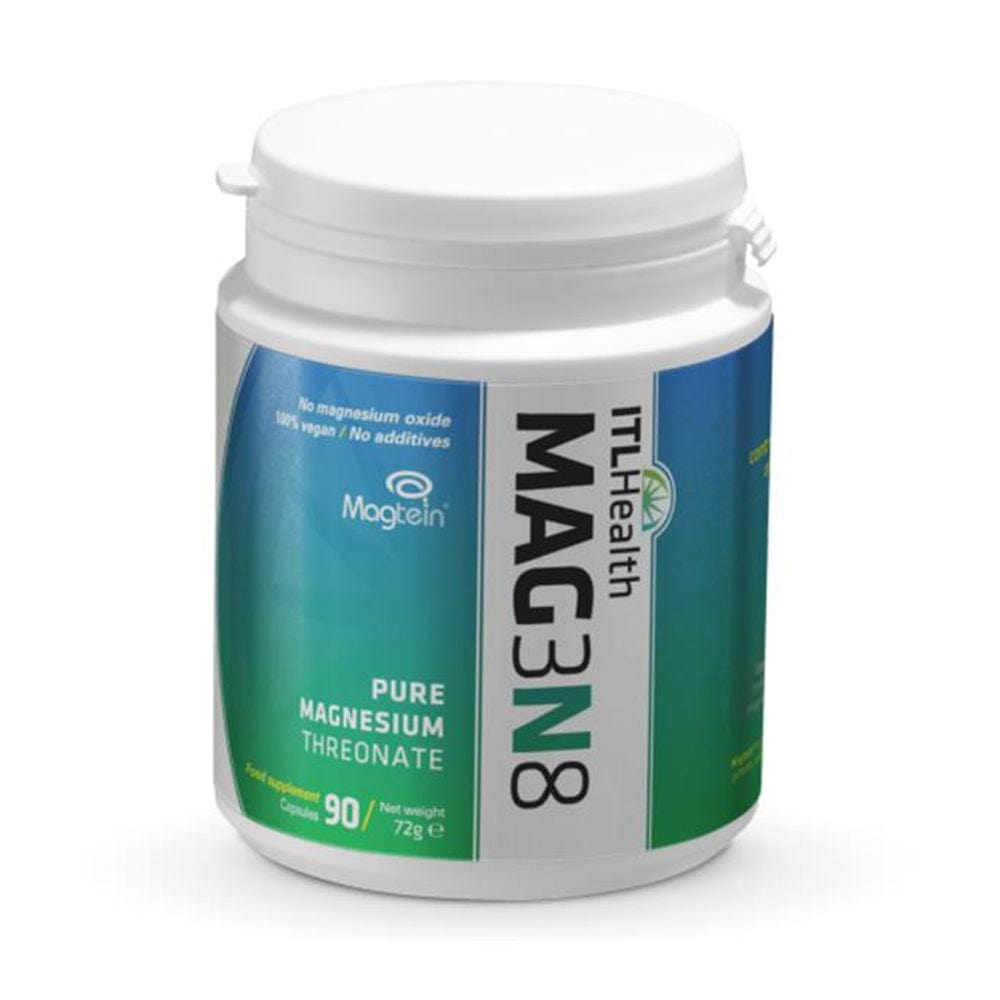
The Best Magnesium Glycinate Supplements
Magnesium glycinate supplements (also known as magnesium bisglycinate) include a chelated form of magnesium bound to two glycine amino acids. This structure allows it to be absorbed efficiently through the digestive tract, making it one of the most bioavailable and well-tolerated forms available.
Because glycine and magnesium both play a key role in nerve conduction and nervous system regulation, magnesium glycinate is often chosen for sleep support, stress management, and muscle relaxation. It is also less likely to cause digestive discomfort compared to other forms.
Key benefits of magnesium glycinate include:
- High absorption and bioavailability
- Gentle on the stomach with low gastrointestinal irritation
- Supports muscle function and recovery
- Helps reduce tiredness and fatigue
- Contributes to normal nervous system and psychological function
- Supports healthy sleep and relaxation
Magnesium glycinate is particularly suitable for people with sensitive stomachs, those experiencing stress or anxiety, and anyone looking to raise magnesium levels without digestive side effects. The best supplements prioritise purity, avoid fillers and magnesium oxide, and provide an effective daily dose.


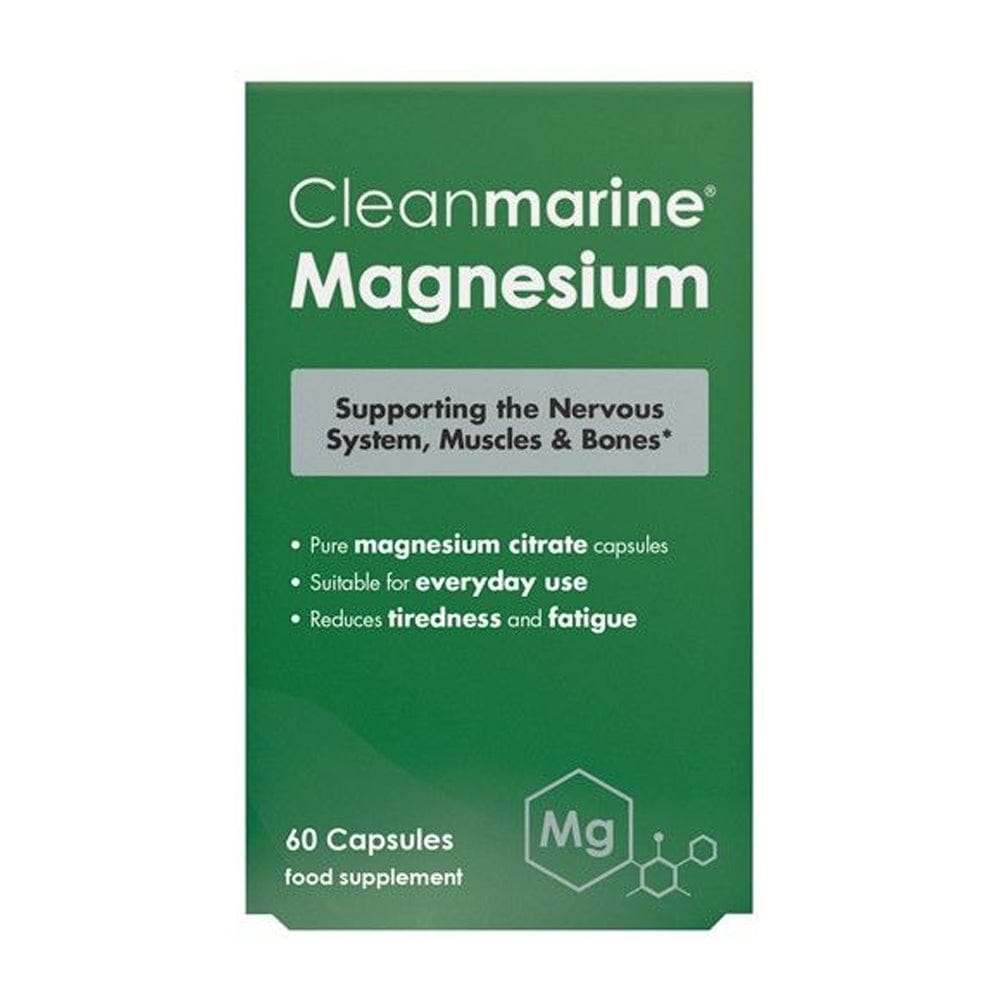
The Best Magnesium Citrate Supplements
Magnesium citrate supplements use a magnesium salt formed by combining magnesium with citric acid. It is one of the most popular magnesium supplements due to its good solubility and relatively high bioavailability compared to inorganic forms.
This form is especially well known for its osmotic laxative effect, as it draws water into the intestines and helps promote bowel movements. For this reason, it is commonly used to relieve occasional constipation. At lower, regular doses, it can also be effective for improving overall magnesium status. Customers frequently report improved sleep.
Key benefits of magnesium citrate include:
- Helps relieve constipation and support digestive regularity
- Supports muscle relaxation and nerve function
- Contributes to electrolyte balance
- Plays a role in blood pressure and blood sugar regulation
- Helps replenish low magnesium levels
Because of its laxative properties, magnesium citrate is best introduced gradually. Starting with a low dose can help minimise unwanted digestive effects. Those seeking magnesium primarily for sleep or stress support may prefer a gentler chelated form.
Explore our top picks for magnesium citrate supplements
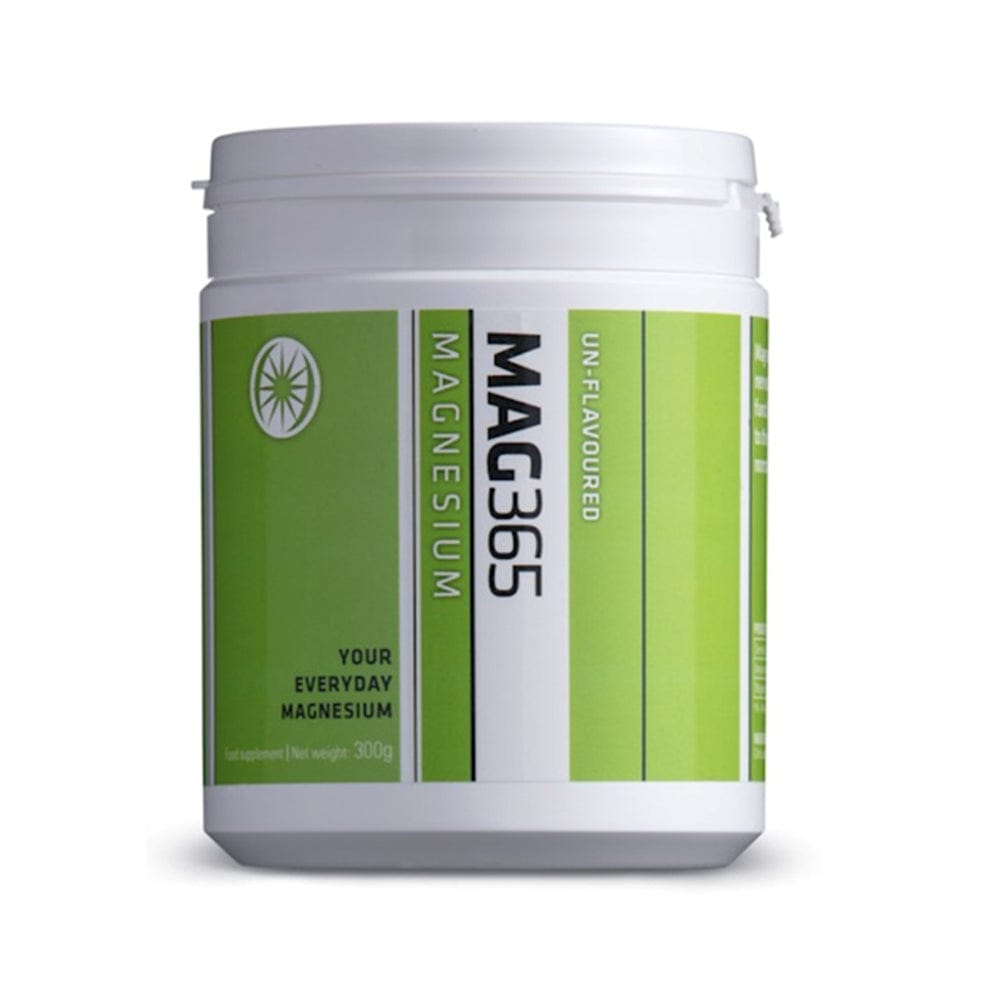
Normal vs Chelated Magnesium
Magnesium supplements can also be classified by how magnesium is chemically bound. Standard magnesium salts, such as magnesium oxide or citrate, rely on weaker ionic bonds. Chelated magnesium, by contrast, is bound to another molecule via a ligand bond – a reversible but stable reaction – usually with an amino acid or organic acid.
This chelation process improves stability and limits the formation of insoluble compounds in the digestive tract, which enhances absorption and tolerance. Chelated magnesium supplements can be absorbed through both active transport and passive diffusion, making it particularly effective for increasing magnesium levels.
Common chelated forms include:
- Magnesium glycinate: ideal for sleep, relaxation, and anxiety
- Magnesium malate: ideal for energy production and muscle recovery
- Magnesium taurate: ideal for heart health and nervous system support
- Magnesium L-threonate: ideal for cognitive and brain health
Compared to non-chelated forms, chelated magnesium is less likely to cause stomach upset and can be more effective. Inorganic magnesium salts are not the most effective form. Meanwhile, magnesium citrate remains a useful option for those needing digestive support, but chelated forms are generally preferred for overall health benefits.

Finding the best magnesium supplement for your needs
The best magnesium supplement depends on your individual health goals. Magnesium glycinate is ideal for sleep, stress, and gentle daily use. Magnesium citrate is effective for constipation and replenishing magnesium stores but may cause digestive effects at higher doses and can lead to reliance if you use it to have regular bowel movements. Chelated forms offer superior absorption and are often better tolerated for long-term use. While accessible and affordable, inorganic salts such as magnesium oxide or magnesium sulphate are not the most favourable, but they can often be effective for increasing magnesium levels.
