


Taking magnesium for high blood pressure can be a safe and effective treatment, albeit quite a moderate approach. Magnesium helps regulate blood pressure by relaxing the vascular smooth muscle and supporting nitric oxide release. Clinical trials have found that it can help reduce both systolic and diastolic blood pressure slightly in some patients. This change is not drastic, so it should be accompanied by lifestyle changes and a healthy diet. This article helps you understand the effect of magnesium supplementation for hypertension and recommends some effective dietary supplements.
Click on the links below to jump to that section:
- What causes high blood pressure?
- How does magnesium regulate blood pressure?
- Are magnesium supplements effective for high blood pressure?
- Taking magnesium supplements for high blood pressure
- What is the best type of magnesium for high blood pressure
- Frequently asked questions
Genetics, age, diabetes, cardiovascular disease, obesity and lifestyle factors like smoking, excessive drinking and high salt intake.
It relaxes the blood vessel walls, blocks calcium channels, increases nitric oxide and supports fluid balance.
Yes, they have a mild effect, reducing BP by around 1-5mmHg but not everyone will benefit.
Supplement if you have low serum magnesium levels or if recommended to by your healthcare provider. Take no more than the recommended daily allowance.
Magnesium glycinate and magnesium citrate are well tolerated and bioavailable.
What causes high blood pressure?
High blood pressure can be caused by a multitude of factors and there are strong genetic predispositions. Age is a primary risk factor because arteries stiffen as we get older. Imbalanced electrolyte intake (sodium, calcium, potassium and magnesium) such as a high salt, nutrient-deficient diet can increase the risk of high blood pressure. Being overweight or obese is also a key risk factor as your heart is having to work harder to pump blood around the body. Physical inactivity, excessive alcohol consumption and smoking also increase your risk. Noncommunicable chronic diseases such as heart disease, diabetes mellitus and kidney diseases are also linked with blood pressure problems.
How does magnesium regulate blood pressure?
Magnesium (Mg) is the forgotten electrolyte, and it is important for relaxing the blood vessels. Like muscles, the blood vessels relax and contract, to control the amount of blood flow and maintain normal blood pressure. Healthy blood vessels relax (vasodilate), reducing the pressure on the blood vessel walls and to supply the body with more oxygen; this happens while exercising, for example. However, if the body can’t do this effectively, there will be too much pressure inside your arteries.
Balanced magnesium levels are essential for calcium movement (Mg is a calcium channel blocker), supporting nitric oxide production (which helps widen blood vessels) and endothelial dysfunction (poor blood flow). When you get the right balance of electrolytes, your body has a much easier time regulating fluid levels and hydration, which also plays a role in blood pressure.

Are magnesium supplements effective for high blood pressure?
Generally, oral magnesium supplementation has been proven to reduce diastolic and systolic blood pressure slightly but it should be used as part of a wider lifestyle change. Magnesium supplements can reduce blood pressure by 1-5 mmHg but the effects can vary significantly.
The science supporting magnesium supplements
There has been plenty of research into the effectiveness of magnesium supplements for high blood pressure. A systematic review of 38 randomised controlled trials finds that a daily total of 82.3- 637 mg ofl elemental magnesium supplementation has a modest but statistically significant effect on reducing blood pressure. Another umbrella meta-analysis finds similar results, implying a strong evidential foundation for magnesium supplementation.
The results appear stronger with doses above 300mg per day and may particularly benefit those with a magnesium deficiency, diabetic patients or those with mild hypertension.
When magnesium supplements might not be effective?
There are many confounding factors that could minimise the benefits of magnesium supplementation for blood pressure. Explore these below:
- Having adequate dietary magnesium intake
- If the cause of your high blood pressure is primarily genetic
- If you have severe hypertension
- Poor lifestyle factors remain unchanged (high salt, lack of exercise, smoking, drinking, being overweight)
- Having kidney disease: you should not be taking magnesium supplements with kidney disease unless instructed to by your doctor.
Ultimately, magnesium supplements can make up part of a wider initiative to reduce blood pressure but, in most cases, healthy lifestyle changes will bring about the most meaningful improvements.
Taking magnesium supplements for high blood pressure
When should you consider magnesium supplements?
You should only consider taking magnesium supplements for high blood pressure if the following applies to you:
- A medical professional has deemed it safe and beneficial for you to do so
- You are not taking blood pressure medication, proton pump inhibitors or diuretics
- Your blood pressure is not severely elevated, nor too low
- You have low magnesium levels
- You do not have kidney or heart disease
You should always consult your doctor before starting a new supplementation regime.
How much magnesium to take
Taking the recommended daily intake per day, including the amount you consume from food is a good place to start. Most supplements contain between 100 and 300mg, which puts you in a safe but effective range, allowing for a portion of your daily intake of magnesium to come from food.
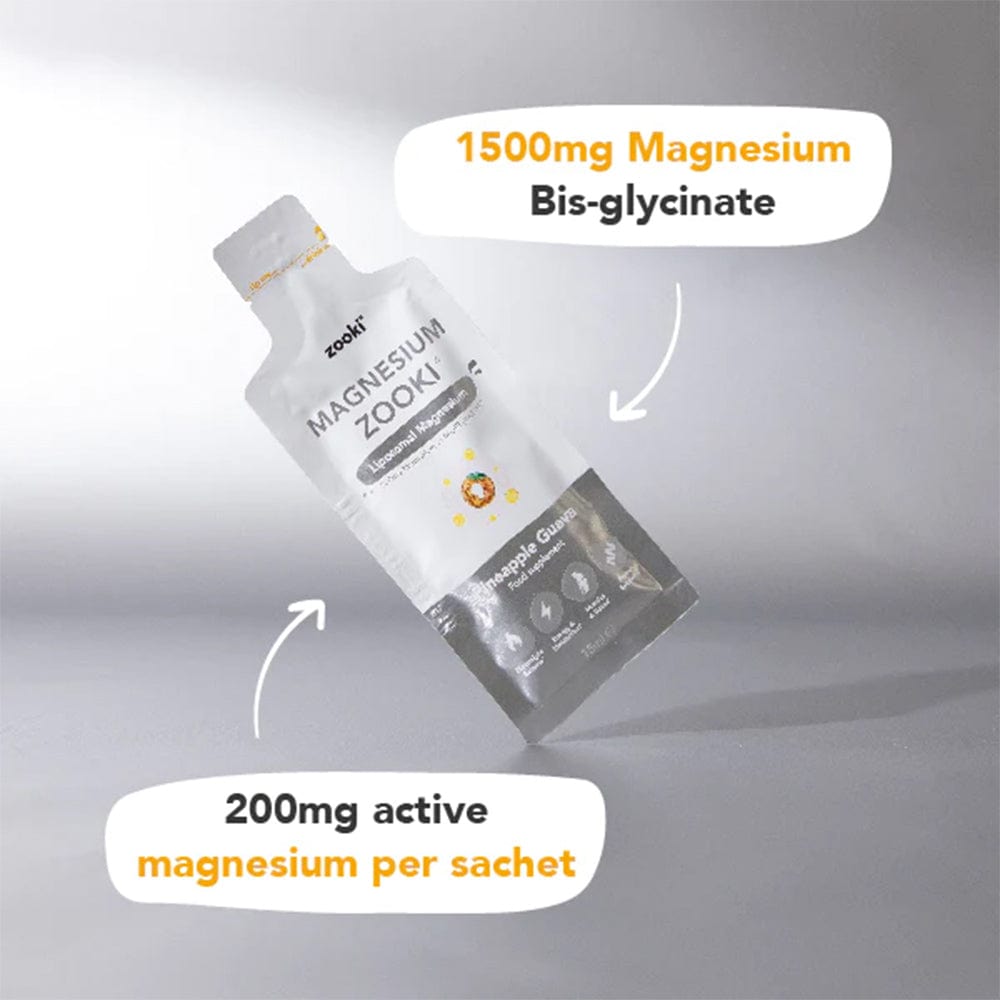
We recommend the following supplements for their optimal dosage:
- Zooki Magnesium: Contains 200mg of elemental magnesium per sachet in the form of highly bioavailable magnesium glycinate delivered via liposomal technology.
- Nature’s Plus Magnesium Bisglycinate Capsules: Containing no fillers, each dose delivers 210mg of highly bioavailable magnesium glycinate.
- MAGTrio: Containing magnesium glycinate, magnesium taurate and magnesium threonate for a total of 250mg of elemental magnesium per dosage.
What are the possible side effects?
Taking too much magnesium or taking a form that is less widely tolerated can have some unpleasant gastrointestinal side effects, such as diarrhoea, stomach cramps and nausea. However, low blood pressure, an irregular heartbeat, muscle weakness or confusion could be a sign of hypermagnesemia. If you experience any of these adverse effects, stop supplementing immediately and seek medical advice.
What is the best type of magnesium for blood pressure
Magnesium oxide is the most common in off-the-shelf supplements, and while it contains the highest amount of elemental magnesium, it is poorly absorbed and can cause stomach upset.
Magnesium citrate is highly bioavailable, but it can contribute to loose stools or diarrhoea. A better option might be magnesium glycinate; it is widely tolerated, is effectively absorbed and well-researched. Magnesium taurate may have heart-protective effects, but there is not enough evidence to support its use in treating high blood pressure.
Frequently Asked Questions:
Is magnesium safe to use alongside common blood pressure medications?
It can be safe to take magnesium supplements with blood pressure medication, but you should consult with your doctor since extra caution is required. Magnesium can affect the function of ACE inhibitors, ARBs, calcium channel blockers and diuretics.
How soon will I see changes in my blood pressure after starting magnesium supplements?
Most studies review the effects of magnesium supplementation for longer periods of time (8-12 weeks) but you may experience results sooner.
Can you lower blood pressure through magnesium-rich foods instead of supplements?
It is often preferable to reduce your blood pressure with magnesium-rich foods. Following the DASH diet is usually recommended for lowering blood pressure as it provides magnesium, potassium, antioxidants, fibre and lowers sodium intake. Prioritise foods such as leafy greens, pumpkin seeds, nuts, beans, lentils, whole grains, dark chocolate (70%+) or avocado.
Improving your diet and lifestyle, combined with magnesium supplementation, can be more powerful than isolated supplementation.
Are magnesium supplements suitable for women with pre-eclampsia?
Although intravenous magnesium sulfate, administered by a healthcare professional, can prevent pre-eclampsia seizures, oral magnesium supplements are not a suitable treatment. Pregnant women with this condition should always seek medical advice and intervention.
Sources
https://www.nia.nih.gov/health/high-blood-pressure/high-blood-pressure-and-older-adults
