


Omega-3 fatty acids play a vital role in heart, brain and overall health — but is it better to get them from food or supplements?
While oily fish and plant sources provide natural nutrition, omega-3 supplements offer a convenient way to achieve consistent intake, especially if dietary intake is low.
In this guide, we’ll explore when omega-3 supplements are more suitable than omega-3 found in food, the benefits of both sources, and the best fish rich in EPA and DHA.
Jump straight to our recommended omega-3 supplements here.
Click on the links below to jump to that section:
- How Important Are Omega-3 Fatty Acids?
- Which Food Sources Are Rich in Omega-3?
- What Are the Benefits of Omega-3 Supplements?
- Comparing Food vs Omega-3 Supplements
- The Best Omega-3 Supplements at Meaghers Pharmacy – Our Top Picks
- Frequently Asked Questions
Discover the benefits and types of omega-3s, as well as their role in your overall health.
Learn how to add omega-3s to your diet.
Explore when and why you should consider omega-3 supplements.
Determine which is better for your needs.
We stock high-quality omega-3 supplements from some of the most trusted brands – find the right product for your needs.
Have your biggest questions answered.
How Important Are Omega-3 Fatty Acids?
As the body cannot naturally produce them, omega-3 fatty acids are essential fats that must be obtained through diet. Linked to numerous benefits, omega-3s are essential for supporting heart health and normal body function, no matter your age.
Three primary types of omega-3 fatty acids contribute significantly to your overall health:
- Eicosapentaenoic Acid (EPA) - known for its anti-inflammatory properties, prominent in oily fish, and plays a crucial role in heart health.
- Docosahexaenoic Acid (DHA) - a major component of the brain and eye retina, helping support cognitive function and overall eye health.
- Alpha-linolenic Acid (ALA) - a vegetarian and vegan alternative, mainly found in plant foods like chia seeds. The body can convert some of ALA to EPA and DHA, but only in small amounts.
Essential fatty acids, particularly omega-3s, play crucial roles in maintaining heart, brain, and eye health. From cell function to inflammation control, it’s important the body obtains adequate omega-3 levels for a balanced, long-term healthy diet.
The Role of Omega-3s in Heart, Brain and Eye Health
EPA and DHA are strongly associated with heart health, as they help reduce a type of fat in the blood called triglycerides, which are associated with an increased risk of cardiovascular disease (heart attacks). Research indicates that these can help reduce the risk of heart disease, promoting better cardiovascular function, improving circulation, and lowering blood pressure.
Omega-3s are also vital for cognitive function and brain development, supporting memory and learning. For example, Alzheimer’s Research discovered that middle-aged people with higher levels of omega-3 fatty acids had higher scores on a cognitive test and a larger hippocampus, which is how the brain retains memory.
Other benefits of omega-3 fatty acids include supporting pregnancy and early life, regulating inflammation, and supporting overall eye health.
Which Food Sources Are Rich in Omega-3?
Choosing to get your omega-3s from whole foods, like fish, offers benefits that extend beyond the fatty acids themselves. When you eat fish, you consume a full package of nutrients, including high-quality protein, vitamins, and minerals like iodine and selenium. This natural synergy can enhance the overall health advantages.
Oily Fish (Highest EPA/DHA)
The primary food source for omega-3 is fatty fish, which obtain these essential nutrients by eating phytoplankton. These are packed with EPA and DHA, which play vital roles in promoting heart health and reducing the risk of cardiovascular disease. This is a good option for pescatarians and meat-eaters.

The amount of omega-3 in fish varies by species. Popular varieties of fatty fish rich in omega-3s include:
- Salmon: 2,000–2,500 mg
- Mackerel: 4,000–5,000 mg
- Sardines: 1,500–2,200 mg
- Anchovies: 1,500–2,000 mg
- Herring: 2,000–2,400 mg
These are the typical approximate amounts per 100g cooked serving.
Plant-Based Sources (ALA)
For vegetarians or vegans, an alternative is required. Various plant foods serve as excellent sources of omega-3 fatty acids. Walnuts, flaxseeds and chia seeds contribute beneficial levels of ALA, promoting brain function and cognitive health.
Seaweed and algal oil offer a marine alternative, providing both EPA and DHA to provide a healthy, balanced diet and maintain overall health.
For more information, read our expert guide to vegan omega-3 sources and the best supplements to consider here.
What Are the Benefits of Omega-3 Supplements?
Omega-3 supplements offer a convenient and reliable way to increase your intake of essential fatty acids, particularly EPA and DHA, which can be difficult to obtain consistently from diet alone.
Here are some of the main benefits of taking omega-3 supplements:
- Incredibly convenient compared to Whole Foods
- Controlled dosage of EPA and DHA
- Higher EPA and DHA concentration than food alone
- Clinically supports heart health benefits
- Good for vegans and people who don’t eat fish
- Purified and quality-controlled
- Certain supplements are targeted for pregnant people (DHA is vital for foetal development)*
*Always follow healthcare advice before taking supplements during pregnancy.
Shop our entire collection of omega-3 supplements at Meaghers Pharmacy here.
Comparing Food vs Omega-3 Supplements
Food sources, particularly fatty fish, provide not only essential fatty acids but also a natural synergy of nutrients that enhance absorption and overall health benefits. In contrast, omega-3 supplements offer concentrated doses of EPA and DHA, which may be beneficial for specific health conditions or dietary preferences.

Bioavailability significantly influences the health impacts of omega-3 fatty acids derived from food vs omega-3 supplements. Whole foods, such as fatty fish, provide essential long-chain omega-3s like EPA and DHA in their natural matrix, which enhances absorption and effectiveness.
On the other hand, fish oil supplements can vary in bioavailability due to factors like purification and formulation. To find a high-quality omega-3 supplement, look at the type of fish used, whether they were sustainably sourced, the total fish oil content (EPA and DHA levels) and the brand’s transparency.
It’s also important to remember that bioavailability varies depending on food matrix and supplement formulation.
Use the table below to compare each option and decide which is best for your needs:
| Factor | Whole Foods (e.g. fatty fish, flaxseeds) | Supplements |
|---|---|---|
| Nutrient density | High (protein, selenium, vitamin D) | Isolated omega-3 |
| Bioavailability | Naturally integrated | Depends on formulation |
| Convenience | Requires meal prep | Easy-to-swallow capsules |
| Cost | Variable | Often cheaper per mg |
| Sustainability | Depends on sourcing | Depends on the brand |
When Should You Take Them?
- Whole Food Sources - if you regularly eat oily fish or plant-based sources and want broader nutritional benefits beyond omega-3s, such as protein, vitamins and minerals.
- Omega-3 Supplements – if your diet lacks reliable sources, you have clinical needs (e.g. raised triglyceride levels) or want a convenient, consistent daily dose of EPA and DHA.
Ultimately, your individual needs and circumstances may dictate the best approach to omega-3 intake.
The Best Omega-3 Supplements at Meaghers Pharmacy – Our Top Picks
Navigating the world of omega-3 supplements can feel overwhelming, but at Meaghers Pharmacy, we are here to help you find the right product for your needs. Whether you're looking for a potent fish oil capsule to support your heart or a vegan-friendly algal oil, we offer a curated selection of high-quality options designed to maintain your daily omega-3 intake.
If you’re thinking about taking omega-3 supplements, explore some of our top picks to find the right option for you:
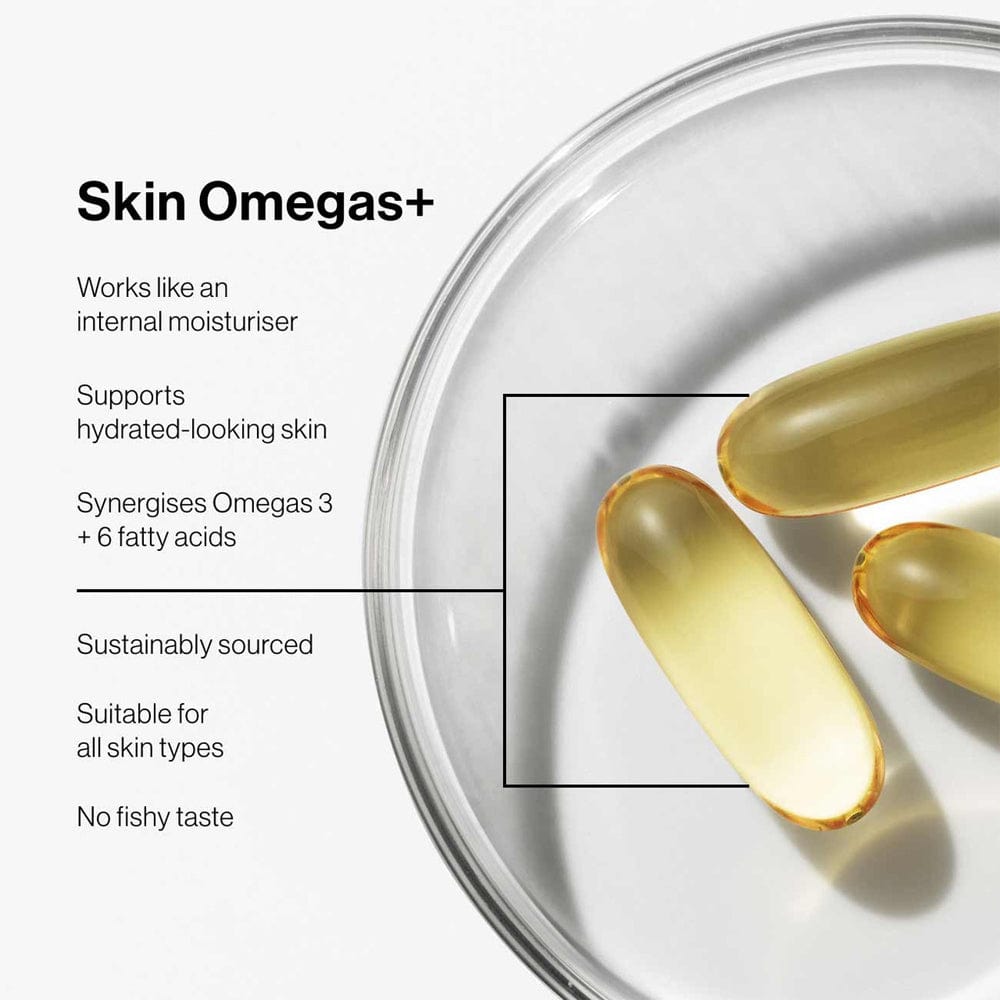
Advanced Nutrition Programme Skin Omegas+ - a complex supplement combining fish oils with vitamin A for a specialised skin-glowing formula
Key Features
- Contains EPA and DHA, GLA from primrose oil, and vitamin A
- Gives skin a luminous glow
- Targets dry and rough skin
- Sustainably sourced
- Suitable for all skin types and ages from 16 years old
*Not suitable during pregnancy unless advised by a healthcare professional
Price: €41.00 (60 capsules)
Revive Active Omega Active - easy-to-swallow capsules with added absorption and a powerful combination of fatty acids

Key Features
- Contains 1,362mg of omega-3 fish oil per two capsules
- 756mg EPA & 504mg DHA
- Suitable for pregnancy and early life
- Minimal fishy aftertaste
- Supports brain, vision and heart
Price: €29.95 (60 capsules)
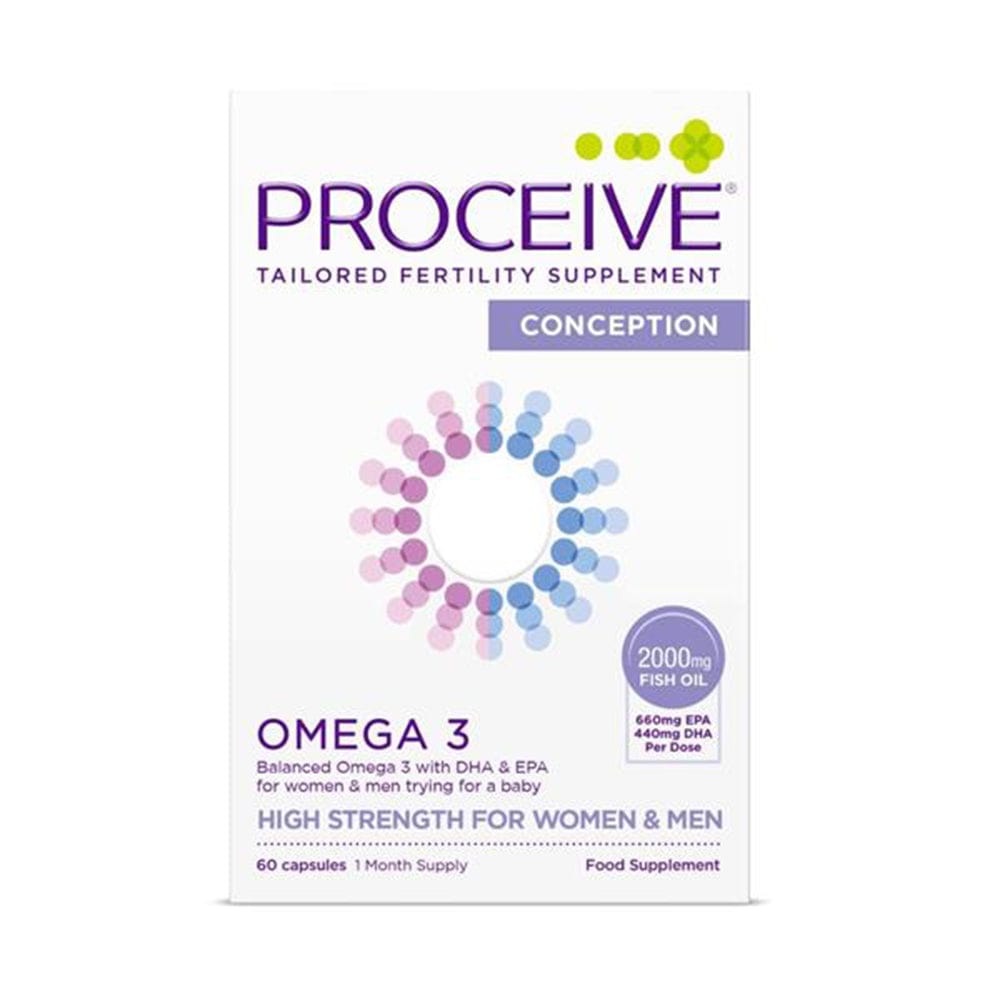
Proceive Conception Omega 3 - a balanced omega-3 formula with DHA to support women throughout conception and pregnancy
Key Features
- High-quality and high-strength – 2,000mg pure fish oil
- 660mg EPA & 440mg DHA per daily dose
- Supports eyesight, brain development and the normal function of the heart of the foetus and breastfed infants
- Sustainably sourced and free of contaminants (PCBs and heavy metals)
Price: €24.95 (60 capsules)
Not found the right one? Browse our comprehensive guide to the best omega-3 supplements at Meaghers Pharmacy here.
Frequently Asked Questions
What is the Recommended Daily Omega-3 Intake?
Generally, adults should aim for a daily intake of 250-500mg of combined EPA and DHA omega-3 fatty acids, which can be achieved by two portions of fish per week.
How Do Vegan Omega-3 Sources Compare to Supplements?
Vegan omega-3 sources, such as flaxseeds and chia seeds, offer essential fatty acids but may require conversion to EPA and DHA for optimal health benefits. Vegan omega supplements can provide a direct source of these nutrients, making them a convenient option for those who need higher doses.
Should I Take Omega-3 Supplements If I Already Eat Oily Fish Regularly?
If you consume oily fish regularly, your omega-3 intake may be sufficient. However, supplements can still provide benefits for specific health needs or dietary gaps.
If you’re unsure, consult a healthcare professional to determine the best approach for your individual needs and diet.
