
Magnesium supplements are incredibly popular amongst many people of different genders and ages - and for good reason. Particularly in young children, it plays a quiet but critical role in hundreds of processes happening inside their bodies every single day. Yet despite its importance, many children (and adults) don't get enough of it.
This guide explores everything parents need to know about magnesium: why it matters, how to spot a deficiency, whether supplements are right for your family, and how to start using them safely.
Click on the links below to jump to that section:
- Why is Magnesium Important for Children’s Health?
- Signs of Magnesium Deficiency in Children
- Main Benefits of Magnesium Supplements for Kids
- Natural Sources of Magnesium vs Supplements
- When to Use a Magnesium Supplement
- Which Magnesium Supplements are Suitable for Children?[
Discover the significance of magnesium in the body.
Determine whether your child is showing signs of poor magnesium levels.
Uncover the advantages of taking magnesium supplements.
Learn the best ways to increase your child’s magnesium intake.
Decide whether magnesium supplements for kids are worth it.
Shop the best magnesium supplements for children at Meaghers Pharmacy.
Why is Magnesium Important for Children's Health?
Magnesium is the fourth most abundant mineral in the human body and is involved in over 300 enzymatic reactions . For children, it is particularly vital because their bodies metabolise and mature at a faster rate than those of adults.
Magnesium supports enzymes involved in energy production, protein synthesis, and DNA repair. It also plays an essential role in nervous system regulation and muscle function, particularly the inhibitory (relaxation) phase. In simple terms, magnesium helps keep muscles and the nervous system balanced rather than overstimulated.
The key areas to consider for children are:
● Learning and neurological development
● Mood and emotional regulation
Signs of Magnesium Deficiency in Children
Magnesium deficiency is common in children, and its symptoms can be subtle or overlap with those of other conditions. Also, with depleted soils , dietary magnesium levels are lower than they should be.
DISCLAIMER: It is important to speak to a medical or psychiatric practitioner to rule out whether any of the following physical or behavioural signs are a result of ADHD, autism spectrum disorder or other health conditions.
Potential signs of magnesium deficiency in children may include:
● Muscle cramps, twitches, or spasms (particularly leg cramps at night)
● Restless leg syndrome
● Unexplained fatigue or low energy despite adequate sleep
● Constipation or digestive irregularity
● Difficulty settling at night or staying asleep
● Increased anxiety, irritability, or emotional outbursts
● Difficulty concentrating or staying on task
● Heightened sensitivity to noise, light, or textures
● Frequent headaches or migraines
● Loss of appetite or nausea
Main Benefits of Magnesium Supplements for Kids

Relaxation
One of the most well-recognised benefits of magnesium is its calming effect on the nervous system. Magnesium counteracts the excitatory effects on the nervous system, helping the body return to a calm state.
For children who are prone to anxiety, hyperactivity, restlessness, tension headaches, or emotional dysregulation, you may want to focus on getting enough magnesium in their diet.
Nervous System Function
Magnesium is essential for healthy nerve transmission and is particularly crucial during development. As the nervous system undergoes rapid and complex changes, adequate magnesium levels support nerve formation and neurotransmitter balance.
Growth and Muscle Development
Magnesium is a critical cofactor in protein synthesis, the process by which the body builds muscle tissue. For physically active children or those going through growth spurts, magnesium needs are higher.
Natural Sources of Magnesium vs Supplements

Magnesium-Rich Foods
The best and most bioavailable source of magnesium is whole foods. A well-balanced diet built around a good variety of plants and healthy proteins is a good place to start. The following lists good dietary sources of magnesium and how to make them into child-friendly options:
● Dark leafy greens: Blend a small handful of spinach with banana and cocoa for a healthy smoothie.
● Nuts and seeds: You can incorporate a range of nuts and seeds into homemade granola or nut butter. You can grind them finely and incorporate them into porridge or baked treats.
● Legumes: you can incorporate ingredients like lentils in meat-based dishes or turn them into dips such as hummus.
● Whole grains: simply swap white starches with 50/50 or wholegrain options
● Dark chocolate: 85% is ideal, but it's often too bitter for kids. You can sweeten cocoa-based desserts with healthier sweeteners or fruit.
● Avocado : easily incorporated into sweet and savoury foods such as brownies, chocolate pudding, cakes, or dips (e.g., guacamole).
● Bananas: while they aren’t super high in magnesium, children often accept them, and they're easy to incorporate into healthy recipes.
● Fish: incorporate fatty fish such as sardines, mackerel or salmon. Fish cakes or homemade salmon goujons are usually more acceptable to children. Tinned salmon often has a more familiar taste and can replace or be mixed with tuna mayonnaise.
When to Use a Magnesium Supplement
A supplement may be worth considering when:
● Your child is a picky eater and avoids many of the above magnesium-rich food groups listed above, even if you’ve tried hiding them.
● There is a suspected or confirmed deficiency based on symptoms and proper testing.
● Your child has a condition associated with increased magnesium requirements or impaired absorption, such as coeliac disease, Crohn's disease, or type 1 diabetes.
Getting your nutrients from food is always best, and supplementation should be used to support your efforts to provide a healthy, balanced diet for your children. However, there are many cases where they can be necessary or helpful.
Which Magnesium Supplements are Suitable for Children?
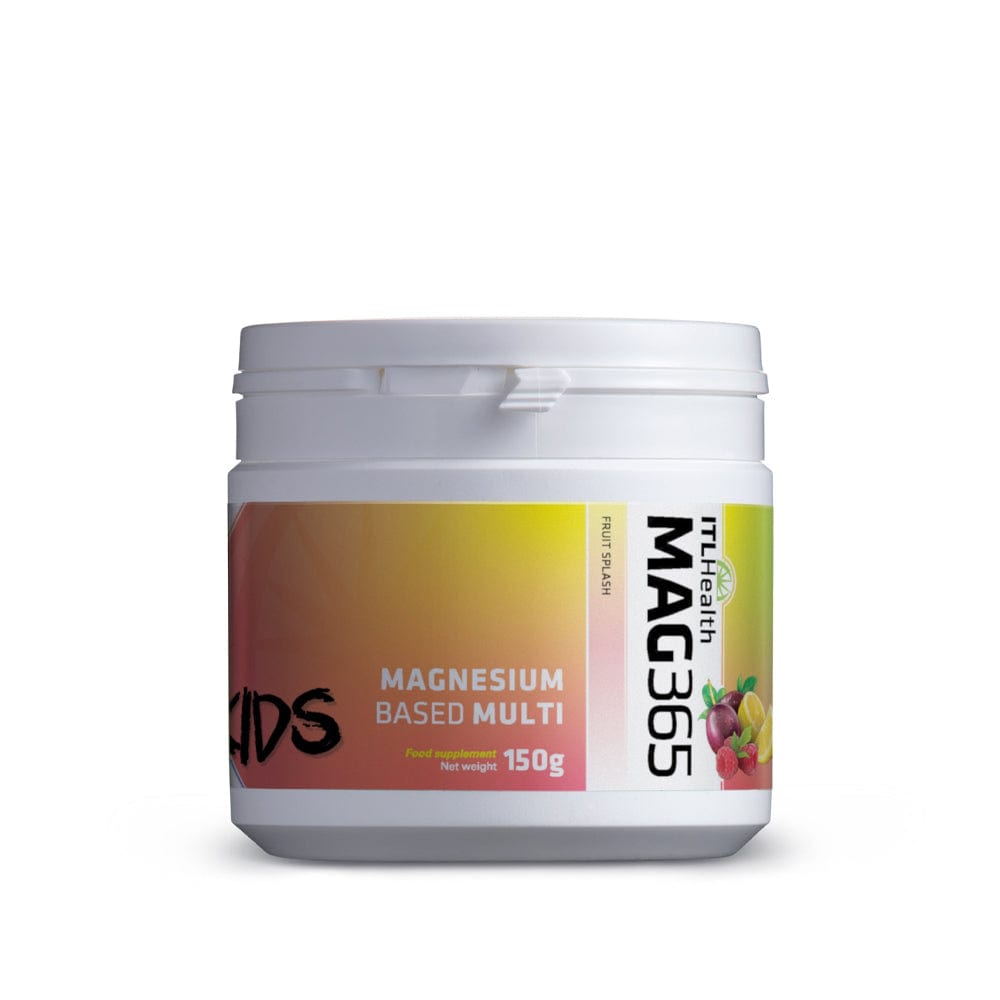
Popular forms of magnesium supplements for kids
Not all magnesium supplements will suit your child’s needs. You will need to consider child-friendly formats such as liquids, drinks or gummies. The type of magnesium also matters, depending on which issues you wish to target.
Here is our shortlist of magnesium supplements for kids:
This well-tolerated, highly bioavailable magnesium citrate supplement comes in a tasty, fruity flavour and combines calcium and magnesium to support healthy growth and development. This supplement is suitable for children aged 4+.
Ensure you dose according to your child’s needs (see the table below); however, liquid magnesium is a great option for kids since it can be added to drinks. This formula combines two forms of bioavailable magnesium for optimal results.
-
Multivitamin drinks such as Revive Active Junior or Swedish Nutra Multivitamin for Kids
These options are fantastic if you don’t know where to start with adding nutrients to your child’s diet. Both contain a perfectly dosed blend formulated for children's needs.
Dosage and Safety
What can be difficult when supplementing children’s diets is that their needs change as they grow. Be careful to stick to the recommended dosage based on your child’s age:
| Age | RDA (mg/day) |
|---|---|
| 1–3 years | 80 mg |
| 4–8 years | 130 mg |
| 9–13 years | 240 mg |
| 14–18 years (girls) | 360 mg |
| 14–18 years (boys) | 410 mg |
Supplemental doses for children typically start at 50–100 mg per day for younger children and may increase to 150–200 mg per day for older children. It’s always best to supplement conservatively to start with. If you are unsure about starting magnesium supplementation, consult a GP or paediatrician.
Frequently Asked Questions
What age is safe to start magnesium supplements in children?
Avoid supplementing for young children aged under four unless specifically advised to do so and guided by a healthcare professional. When supplementing children over four, pay careful attention to the dose, especially because liquid formulas are riskier.
Do magnesium supplements help with children's sleep?
Several studies have found associations between low magnesium levels and sleep disturbances , including difficulty falling asleep, frequent night wakings, and restless sleep. Magnesium supplementation for restless leg syndrome has been shown to be beneficial. Offer a magnesium supplement drink about 30-60 minutes before bedtime; it may help support their sleep.
Do magnesium supplements help with ADHD?
The relationship between magnesium and ADHD is still being researched. Several studies have found that children diagnosed with ADHD have significantly lower levels of magnesium compared with neurotypical children. Some small clinical trials have found improvements in children with ADHD through magnesium supplementation, but more research is required before drawing solid conclusions.
Do children need to take supplements such as magnesium?
In principle, a child eating a varied, balanced, whole-food diet should be able to meet their magnesium needs through food alone. However, certain circumstances that make meeting your child’s nutritional needs more difficult are when supplements are valuable.
